Ziwa Rhino Sanctuary: Uganda’s Beacon of Rhino Conservation
Nestled in the heart of Uganda, Ziwa Rhino Sanctuary is a vital conservation haven dedicated to the protection and reintroduction of the endangered white rhino. Established in 1997, the sanctuary spans 70 square kilometers of pristine savannah and forested landscapes, providing a secure environment for rhinos to thrive. The sanctuary’s mission is not only to conserve rhinos but also to foster a deeper understanding and appreciation of these majestic creatures. As Uganda’s only rhino sanctuary, Ziwa offers a unique opportunity for visitors to experience rhino conservation firsthand and engage in a variety of wildlife and adventure activities.
The History and Mission of Ziwa Rhino Sanctuary
The story of Ziwa Rhino Sanctuary is one of hope and resilience. In the early 1980s, the white rhino population in Uganda was tragically decimated due to poaching and habitat loss. The sanctuary was established as a critical initiative to reintroduce and safeguard rhinos, with the first rhinos arriving in 2005. The sanctuary’s mission extends beyond mere protection; it includes breeding programs, habitat management, and anti-poaching efforts. Through these initiatives, Ziwa Rhino Sanctuary aims to create a sustainable population of white rhinos that can eventually be reintroduced into their natural habitats across Uganda and East Africa.
Rhino Tracking Experience: A Unique Safari Adventure
One of the most popular activities at Ziwa Rhino Sanctuary is the rhino tracking experience. Unlike traditional game drives, rhino tracking involves a guided walk through the sanctuary’s diverse landscapes, offering an up-close and personal encounter with these magnificent animals. Guided by experienced rangers, visitors embark on a journey through the sanctuary’s savannah and forested areas in search of rhinos. This immersive experience allows participants to observe the rhinos in their natural habitat, learn about their behavior, and gain insights into the ongoing conservation efforts. The thrill of tracking these powerful creatures on foot adds a unique dimension to the safari experience, making it a highlight for wildlife enthusiasts.
Flora and Fauna: Exploring the Sanctuary’s Biodiversity
Beyond its rhino population, Ziwa Rhino Sanctuary boasts a rich tapestry of flora and fauna. The sanctuary’s diverse habitats, including savannah grasslands, wetlands, and forested areas, support a variety of wildlife species. Visitors may encounter other large herbivores such as buffalo, giraffe, and Uganda kob, as well as smaller mammals like bushbucks and warthogs. Birdwatchers will find the sanctuary particularly rewarding, with over 300 bird species recorded, including the striking shoebill stork, African fish eagle, and colorful kingfishers. The sanctuary’s plant life is equally diverse, featuring a mix of indigenous trees, grasses, and shrubs that provide vital resources for both wildlife and local communities.
Cultural and Community Engagement: Connecting with Local Life
Ziwa Rhino Sanctuary is deeply committed to community engagement and support. The sanctuary’s conservation efforts are intertwined with the well-being of local communities, who play a crucial role in its success. The sanctuary provides employment opportunities, supports local schools, and engages in community outreach programs aimed at promoting conservation awareness. Visitors to Ziwa can participate in cultural experiences that include traditional dance performances, crafts, and local cuisine. These interactions not only enhance the visitor experience but also foster a sense of shared responsibility for wildlife conservation among local residents.
Educational Programs: Learning About Rhino Conservation
Education is a cornerstone of Ziwa Rhino Sanctuary’s mission. The sanctuary offers educational programs and guided tours designed to raise awareness about rhino conservation and the broader issues facing wildlife in Uganda. School groups, researchers, and tourists can participate in interactive sessions that cover topics such as rhino biology, conservation strategies, and the challenges of protecting endangered species. These programs aim to inspire a new generation of conservationists and provide visitors with a deeper understanding of the critical work being done to safeguard rhinos and their habitats.
Conservation Challenges and Solutions: Addressing Threats to Rhinos
Despite its successes, Ziwa Rhino Sanctuary faces ongoing challenges in rhino conservation. Poaching remains a significant threat, driven by the demand for rhino horn in traditional medicine and black markets. The sanctuary employs a range of strategies to combat poaching, including armed patrols, surveillance technology, and community involvement. Additionally, habitat loss and human-wildlife conflict pose risks to rhino populations. Addressing these challenges requires a multi-faceted approach that includes habitat restoration, community education, and collaboration with national and international conservation organizations. The sanctuary’s efforts to overcome these obstacles are critical to ensuring the long-term survival of rhinos in Uganda.
Why Visit Ziwa Rhino Sanctuary?
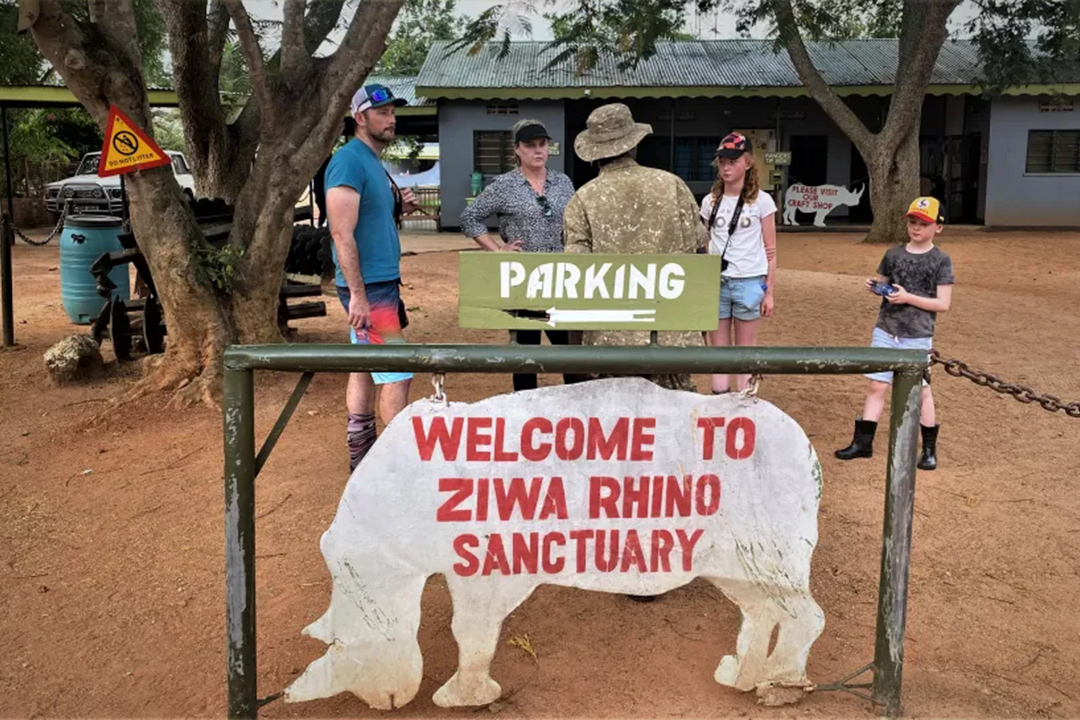
Ziwa Rhino Sanctuary is a must-visit destination for anyone seeking a unique wildlife experience in Uganda. As the country’s only wild rhino sanctuary, it offers the rare opportunity to track endangered southern white rhinos on foot, providing an intimate and thrilling encounter that few safari destinations can match. The sanctuary plays a vital role in Uganda’s rhino conservation and reintroduction efforts, allowing visitors to contribute directly to the protection of these magnificent animals. Beyond rhino tracking, Ziwa is home to a variety of wildlife, including antelopes, monkeys, crocodiles, and over 300 bird species, making it an excellent destination for nature lovers and birdwatchers. Its convenient location en route to Murchison Falls National Park also makes it a perfect stop for travelers looking to complete their Big Five safari experience in Uganda. Whether you are passionate about wildlife conservation, photography, or simply seeking an unforgettable adventure, Ziwa Rhino Sanctuary offers a rewarding and educational safari experience.
Best Time to Visit
Ziwa Rhino Sanctuary can be visited year-round, thanks to Uganda’s favorable equatorial climate. However, the best time to visit is during the dry seasons, from December to February and June to September, when the trails are drier and easier to navigate during rhino tracking excursions. During these months, vegetation is less dense, improving wildlife visibility and making it easier to spot rhinos and other animals. Early morning and late afternoon are particularly rewarding times for tracking, as the rhinos are often more active and the cooler temperatures make walking more comfortable. The wet seasons, from March to May and October to November, bring lush green scenery and excellent birdwatching opportunities, including sightings of migratory species. While occasional rain can make some trails muddy, rhino tracking remains available throughout the year, making Ziwa Rhino Sanctuary an excellent destination for wildlife enthusiasts regardless of the season.
Plan Your Visit
Add Ziwa Rhino Sanctuary to your Uganda safari itinerary and enjoy an up-close encounter with one of Africa’s most iconic animals while supporting vital conservation efforts.
Adventure Experiences in Africa: A Comparative Look
While Ziwa Rhino Sanctuary offers a unique and rewarding adventure experience, several other iconic national parks across Africa provide equally compelling opportunities for exploration and wildlife encounters. Each park showcases its own distinctive landscapes and activities, contributing to Africa’s reputation as a premier destination for nature tourism:
- Serengeti National Park, Tanzania: Renowned for the Great Migration and its vast savannahs, Serengeti is a top destination for game viewing and wildlife photography. The park’s expansive landscapes and diverse wildlife, including the Big Five, offer an unparalleled safari experience.
- Masai Mara National Reserve, Kenya: Famous for its high density of big game and the annual wildebeest migration, the Masai Mara provides excellent game drives and cultural experiences with the Maasai people. The reserve’s diverse ecosystems support a wide range of wildlife.
- Ngorongoro Crater, Tanzania: The Ngorongoro Crater is a unique geological formation that supports a rich variety of wildlife within its caldera. The crater’s scenic beauty and diverse wildlife, including the Big Five, make it a highlight of Tanzania’s safari circuit.
- Okavango Delta, Botswana: A unique inland delta offering mokoro (canoe) safaris through its maze of waterways and lagoons, the Okavango provides diverse wildlife experiences and stunning scenery. The delta’s seasonal floods create a dynamic environment for wildlife viewing.
- Bwindi Impenetrable National Park, Uganda: Known for its mountain gorillas and dense forests, Bwindi offers exceptional gorilla trekking experiences and immersive encounters with one of the world’s most endangered species. The park’s rich biodiversity and rugged terrain provide a unique adventure.
- Virunga National Park, Democratic Republic of Congo: Famous for its mountain gorillas and volcanic landscapes, Virunga offers exceptional gorilla trekking experiences and the chance to explore active volcanoes. The park’s unique biodiversity and dramatic terrain make it a premier destination for wildlife enthusiasts.
- Kilimanjaro National Park, Tanzania: Home to Mount Kilimanjaro, the highest peak in Africa, Kilimanjaro National Park offers iconic trekking routes such as the Marangu and Machame routes. Climbers can experience diverse ecosystems, from tropical rainforest to arctic tundra, culminating in the summit at 5,895 meters.